Invisalign in Geneva
The goal: align teeth virtually invisibly. Alternative to fixed metal braces.
How it’s fixed: removable “aligners” custom-made for your teeth to move them little by little.
Hygiene:
- clean your “aligners” with a toothbrush and soap
- use the crystals provided to do a more thorough cleaning once a week
- store “aligners” well in their box so as not to lose or break them. Keep them out of reach of pets who may be attracted by the scent.
Do invisible clear aligners work in every case?
Clear aligners are transparent orthodontic appliances used to straighten teeth. A series of aligners is made from impressions of the patient’s teeth. The aligners are changed every week, gradually guiding the teeth into their new position.
Several series may be needed to achieve a satisfactory result. This depends on factors such as the complexity of the tooth movements required and how consistently the patient wears the appliance.
Several brands exist, but they all work on the same principle.
Although the transparency of these appliances is attractive aesthetically, not every type of tooth movement is easy to achieve. As a result, not all orthodontic situations can be treated with clear aligners.
Movements that are easy to achieve with aligners
Closing spaces
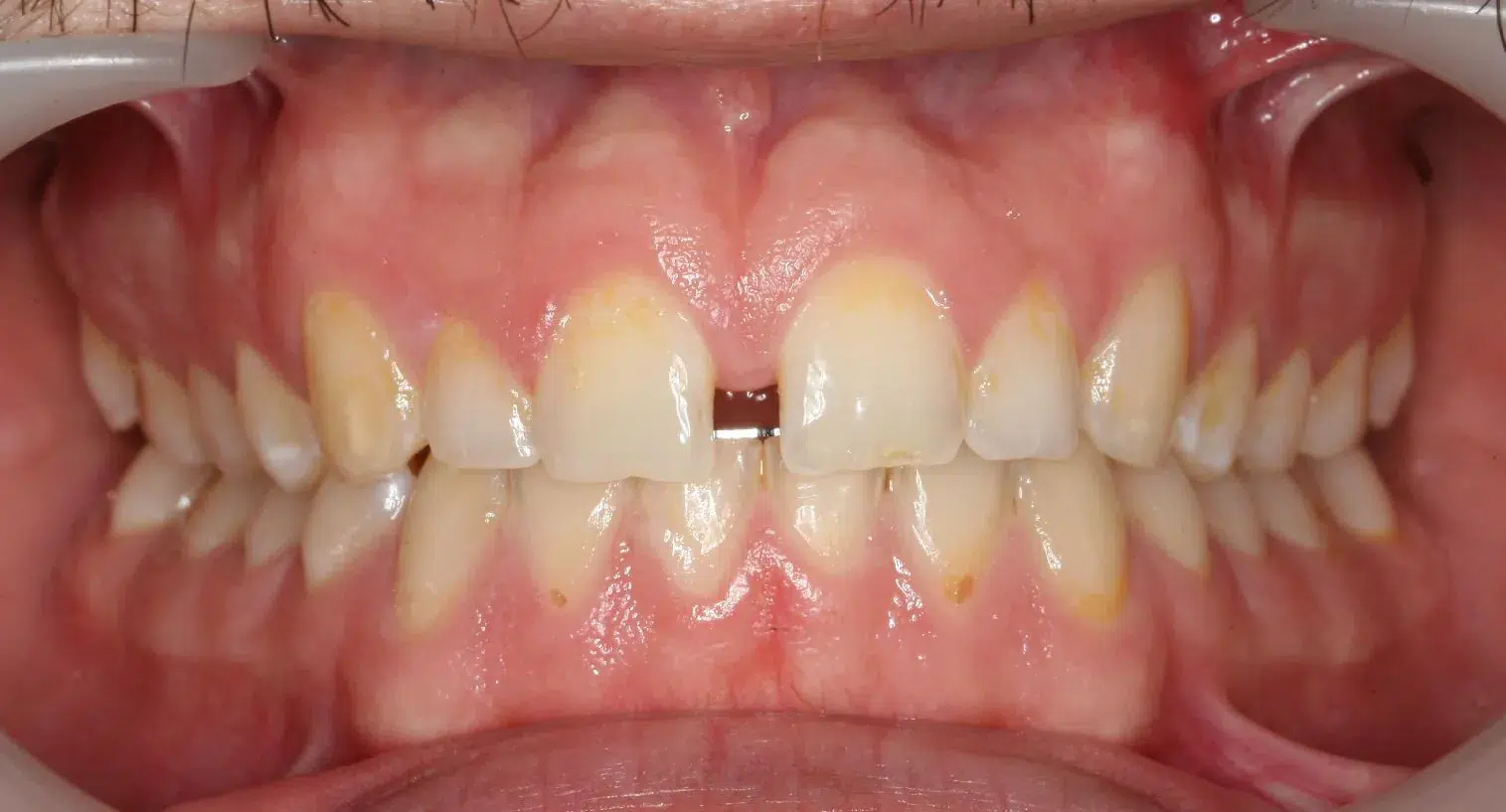
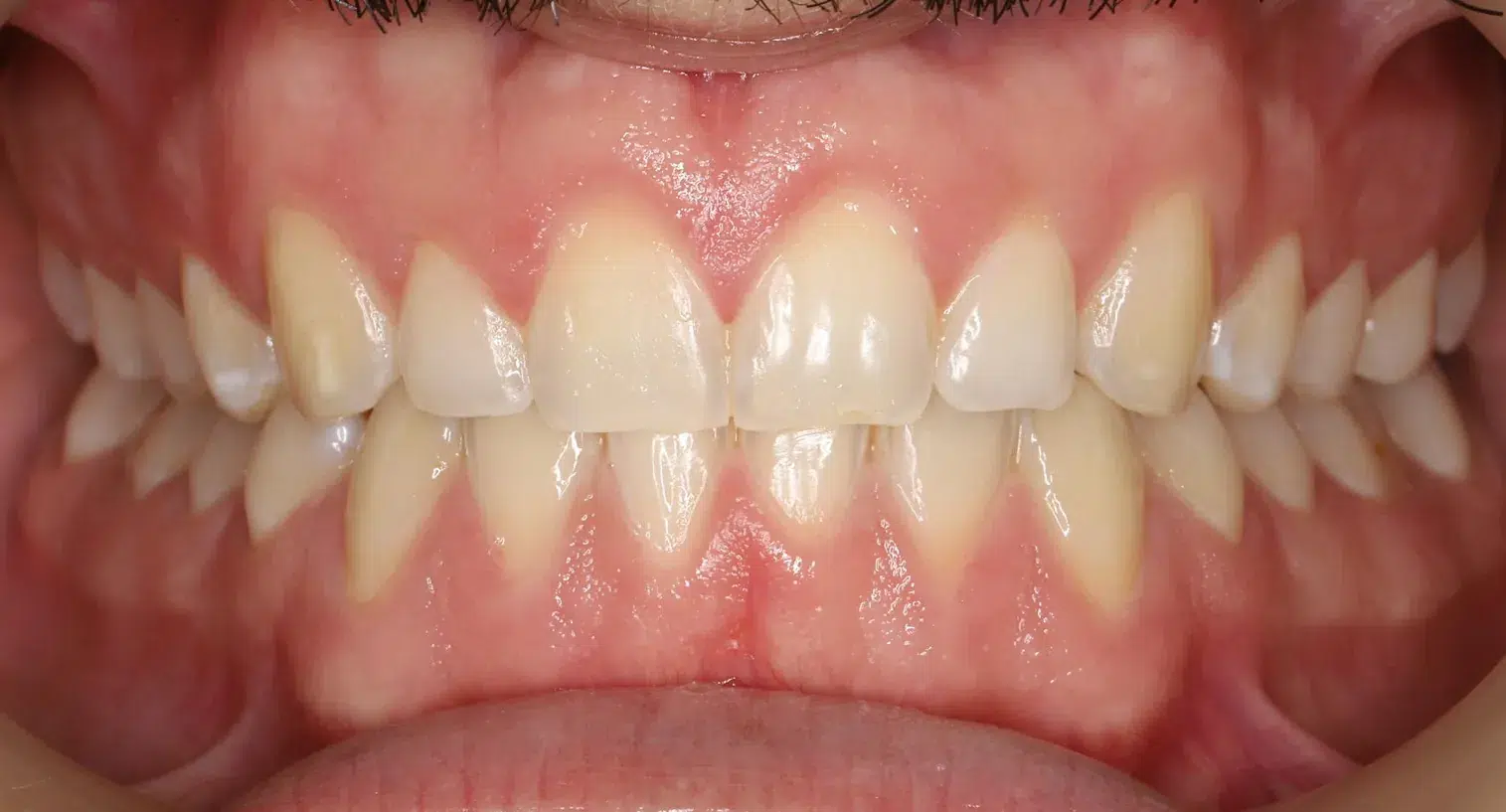
Gaps between teeth, known as diastemas, can be closed with clear aligners when they are small to moderate in size. Closing a large space, such as one left by a missing tooth, is much more difficult. In that case, a multidisciplinary approach combining orthodontics and prosthetic rehabilitation may be needed.
Mild overlapping
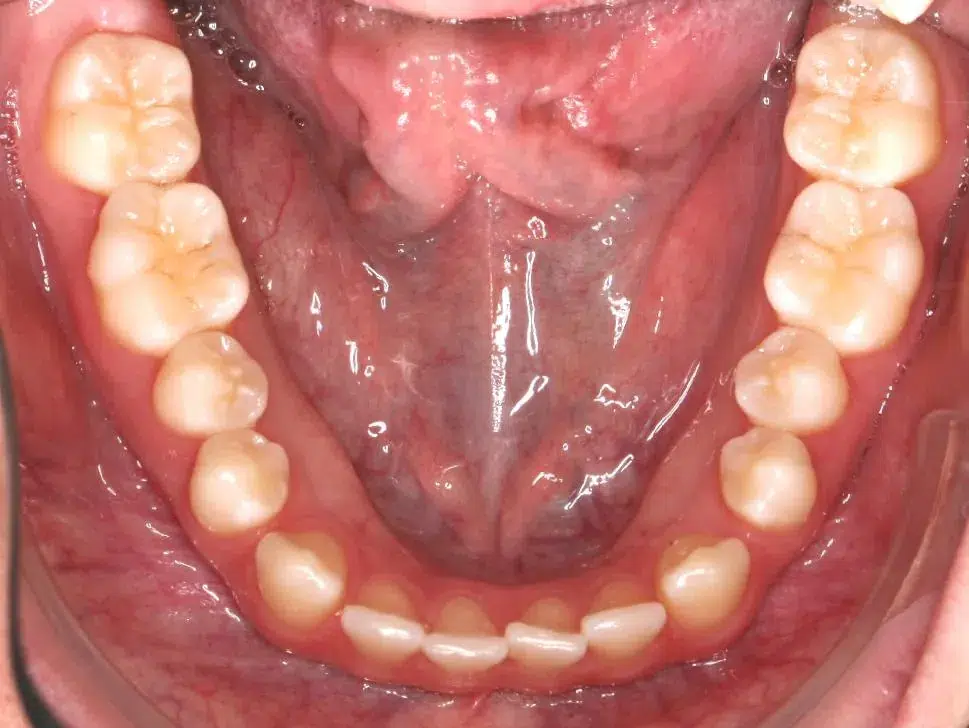
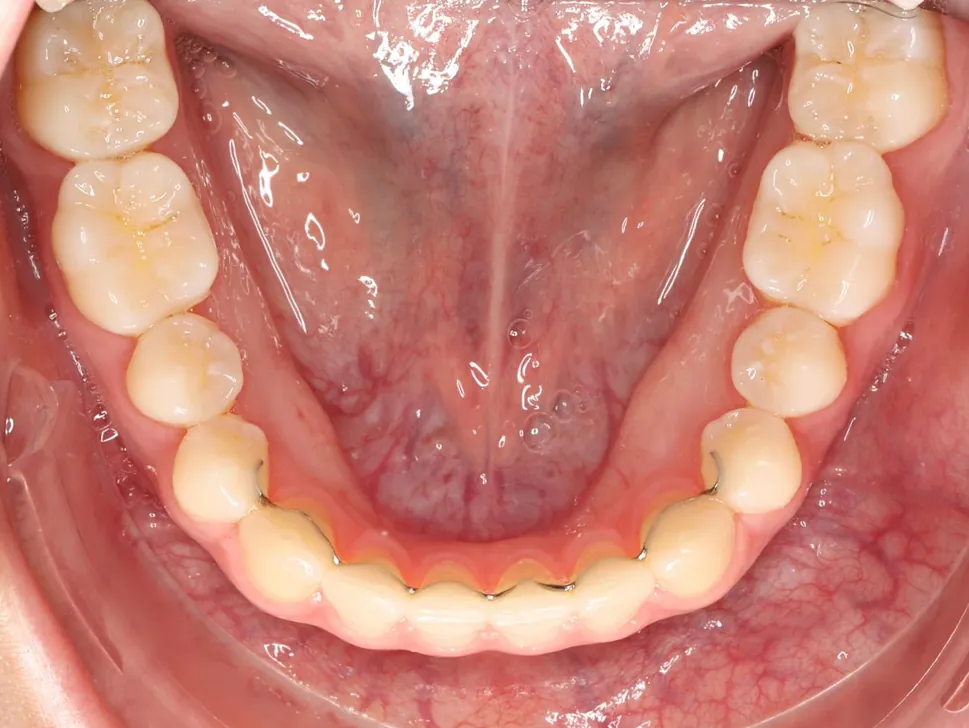
Mild to moderate crowding lends itself well to correction with aligners. Stripping (selective, limited reduction of the enamel between the teeth) is sometimes needed to create enough space for alignment.
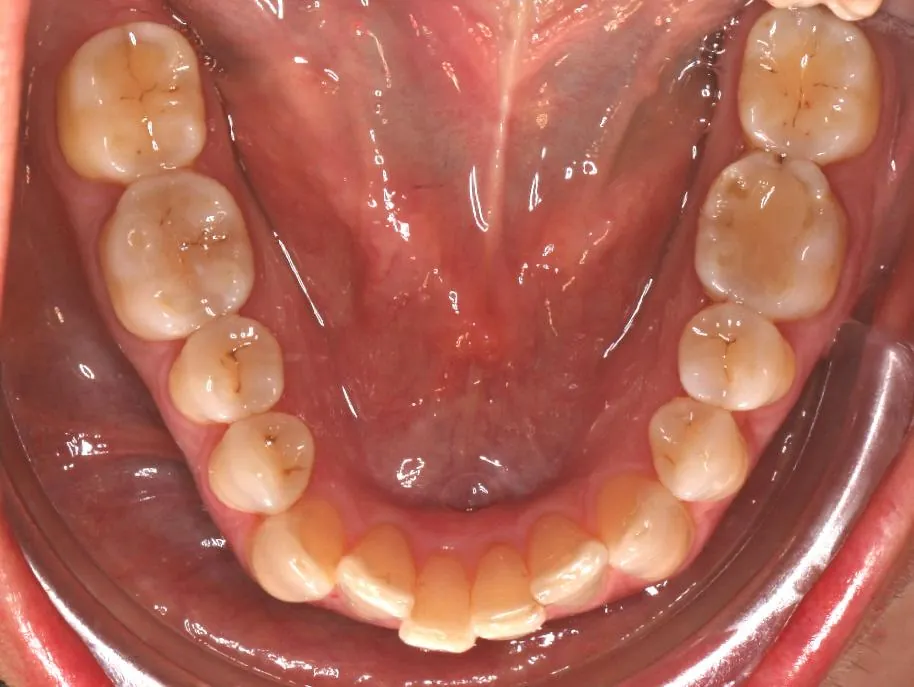
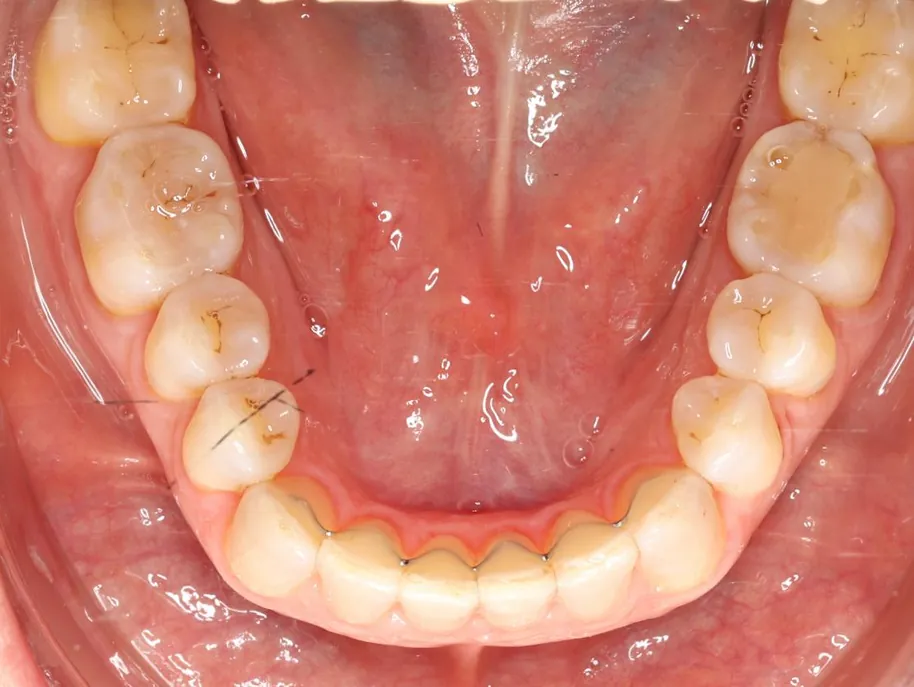
Movements that are difficult to achieve with aligners
Rotations
When teeth are rotated, it is difficult to straighten them with clear aligners. In these cases, fixed appliances can be used to help.
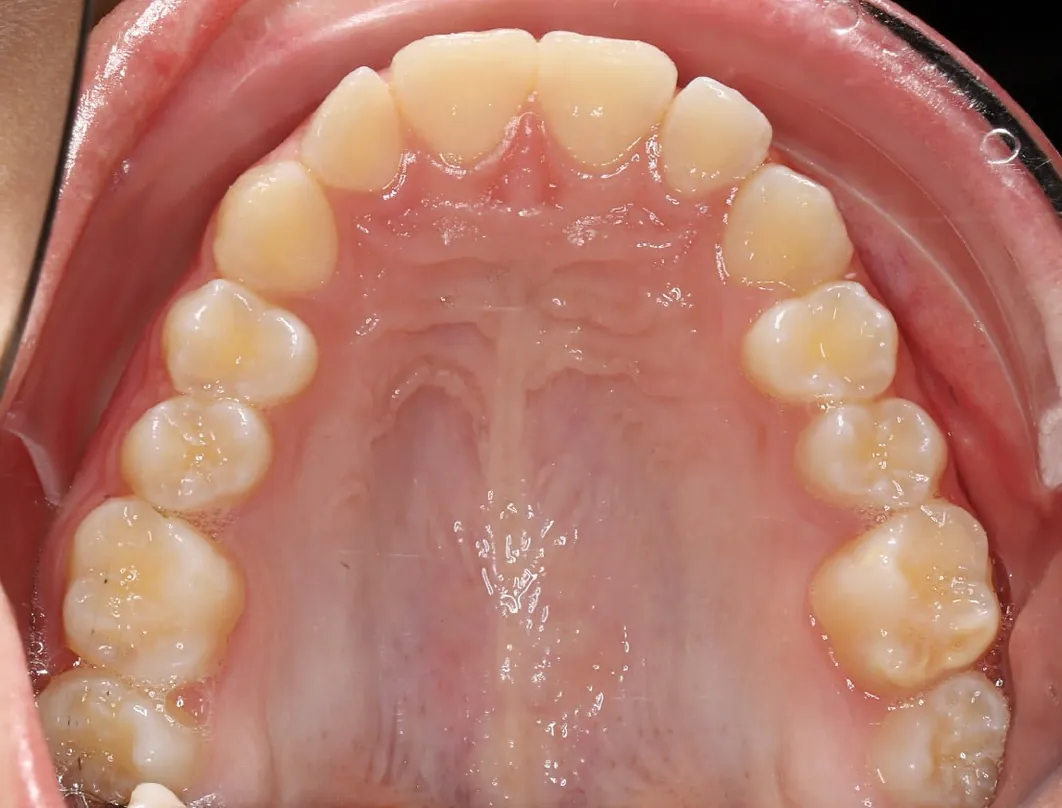
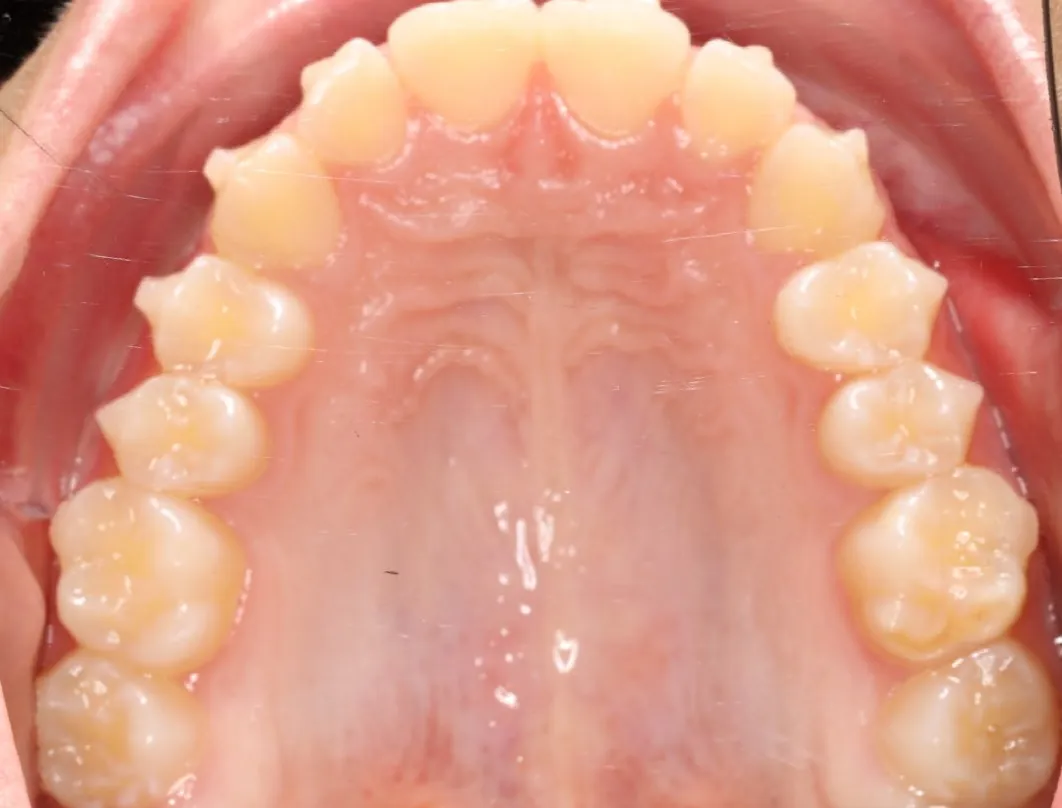
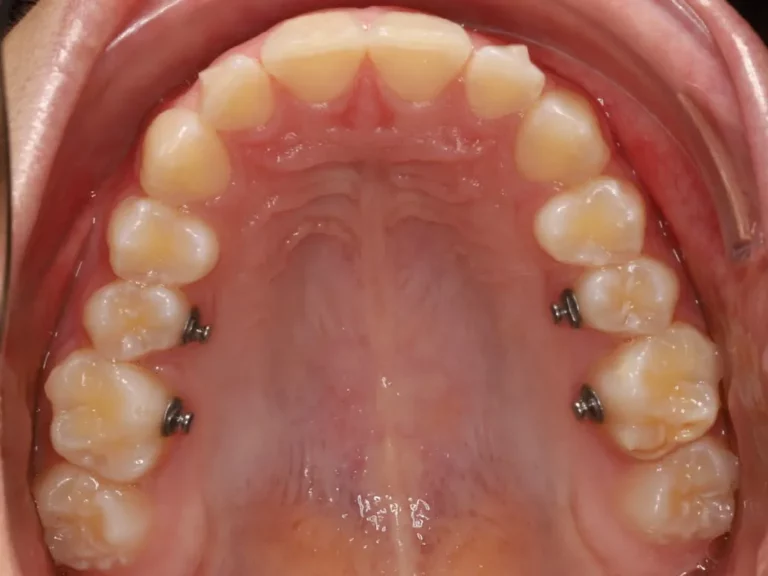
Severe crowding
When teeth overlap markedly, extractions are sometimes needed to make room to align them. In such cases, treatment with fixed appliances is generally recommended.
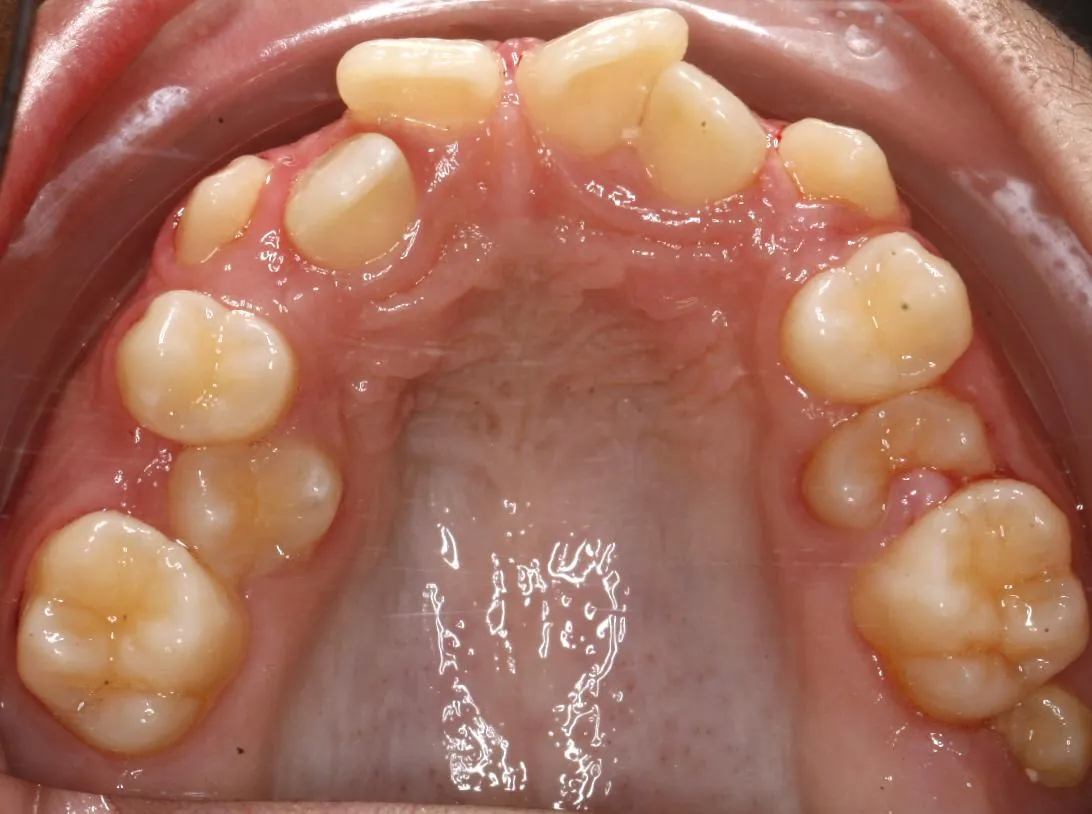
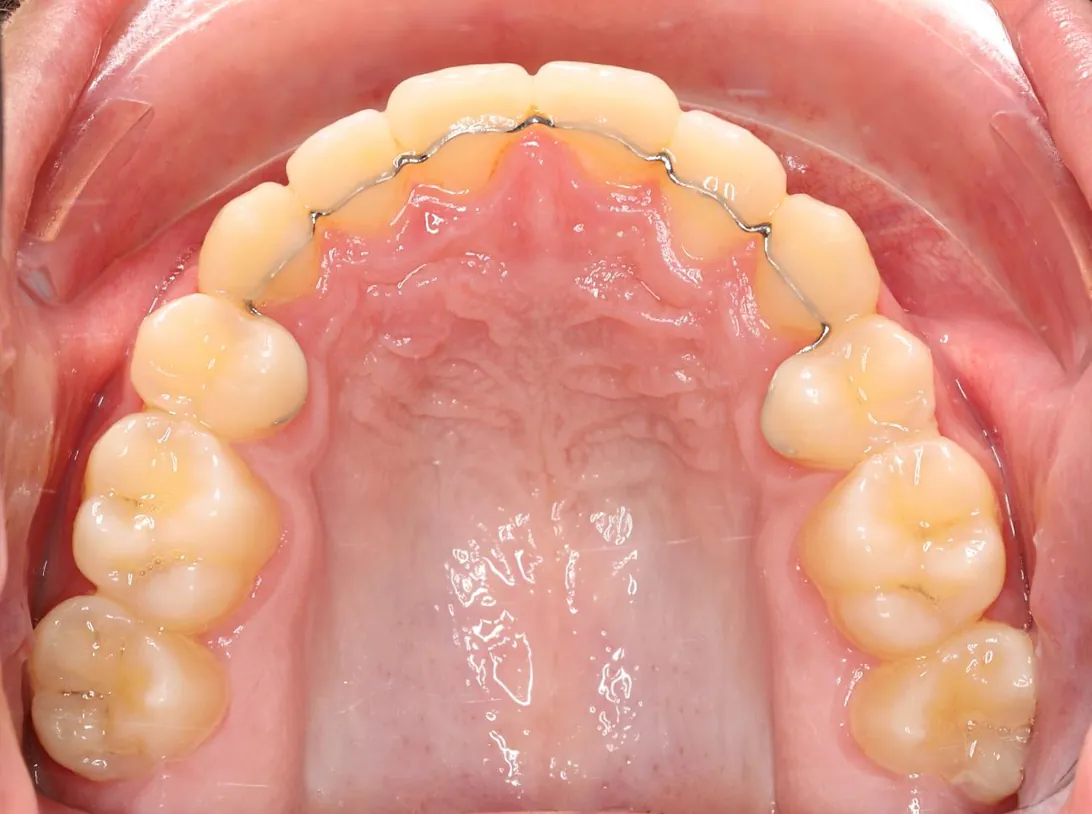
Extrusion
Extrusion is a movement that brings an upper tooth down or a lower tooth up. These movements are difficult to achieve with clear aligners, which is why fixed appliances (brackets) are indicated.
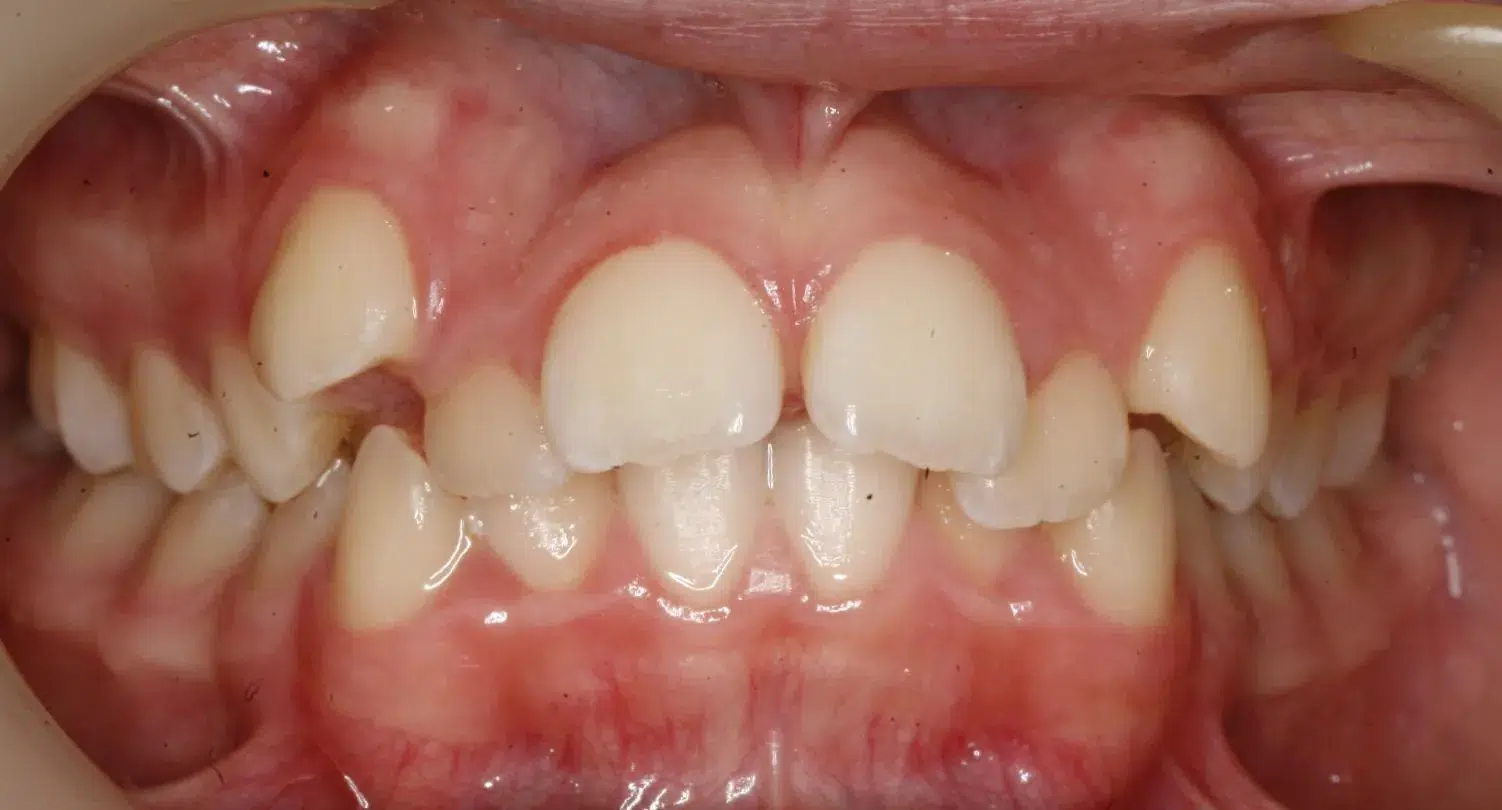
Severe malocclusions
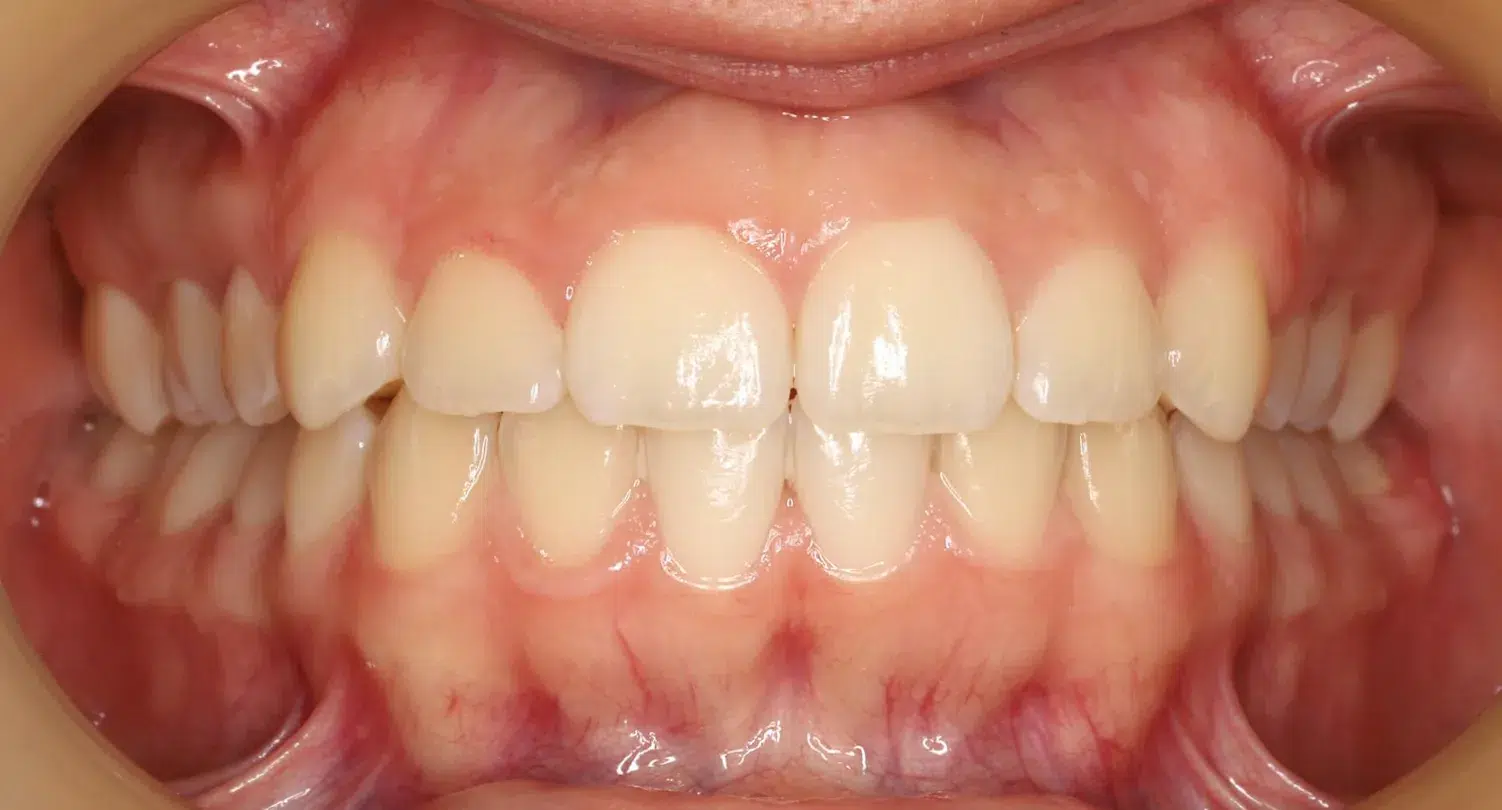
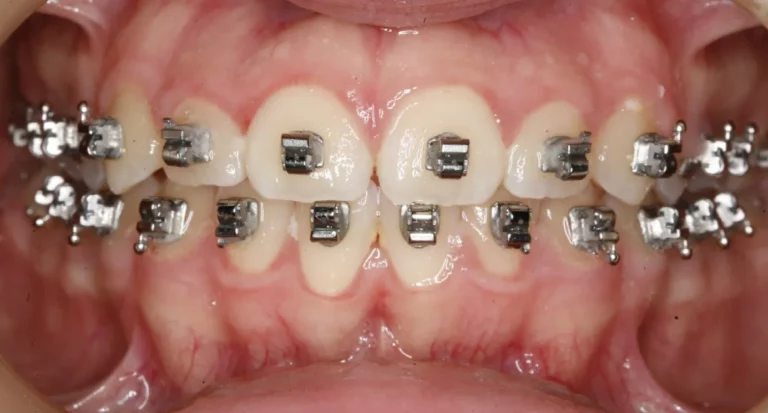
Complex orthodontic cases, such as a major discrepancy between the jaws or impacted teeth, are generally poorly suited to treatment with clear aligners.
Clear aligners or fixed braces: how is the choice made?
There are, however, many nuances from one case to another. That is why a detailed assessment by an orthodontic specialist is essential to choose the right appliance.
It is worth remembering that the success of clear aligner treatment depends largely on how consistently the patient wears them. For a tooth to move, force should ideally be applied to it around the clock. A fixed appliance can deliver this, because it is bonded to the teeth. Aligners, on the other hand, must be removed to eat, to drink anything other than water, and to brush the teeth. To come as close as possible to the effectiveness of fixed appliances, aligners must therefore be worn 22 hours a day.
Invisalign® is a company that specializes in the manufacture of transparent dental aligners. These aligners are made of plastic to match the shape of your teeth. Our orthodontists are trained in the latest technologies to guarantee you the best treatment with Invisalign® in Geneva.


