How do I know if I have tooth decay?
Tooth decay is one of the most common oral health problems, and it often causes no symptoms at all. That makes it very hard to diagnose yourself at home!

Tooth decay: why can only a dentist detect it in time?
In most cases, tooth decay is diagnosed by the dentist during a check-up, not by patients themselves, because the early stages of decay can go completely unnoticed.
Decay forms when dental plaque builds up on the surface of the teeth. Plaque contains bacteria that turn sugar into acid, and that acid dissolves the tooth surface.
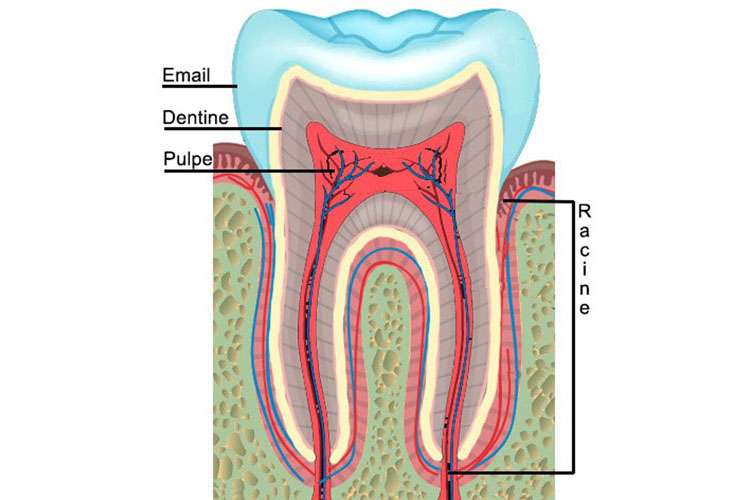
Understanding how a cavity forms
Tooth decay starts in the outer layer of the tooth crown, called the enamel. Over time it works its way into the inner layers of the tooth, known as the dentine, and finally reaches the dental pulp, which contains the blood supply and the nerve of the tooth.
Tooth roots are normally not exposed to the mouth, so they are protected. If they do become exposed, particularly with gum disease, they can also develop decay.
How decay develops, and the symptoms it causes
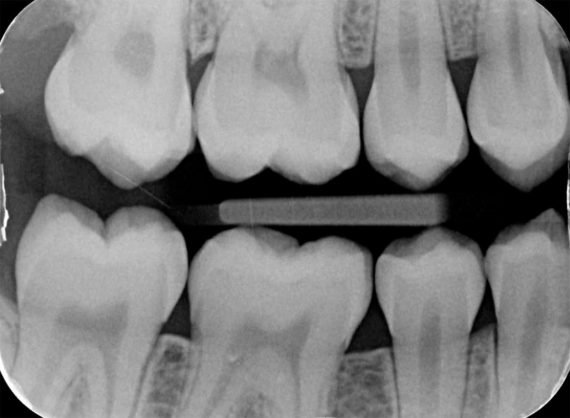
X-ray of healthy teeth
Teeth come through into the mouth intact.
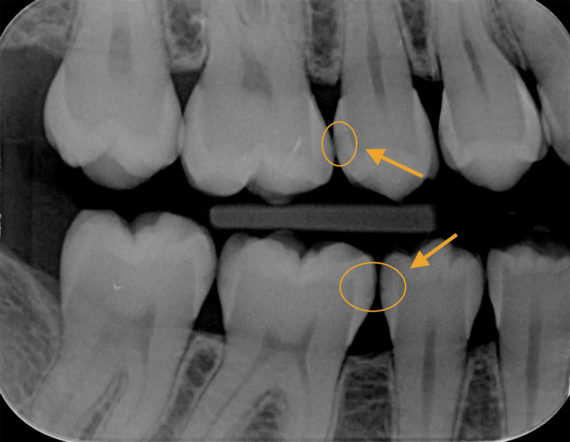
X-ray of early decay
Decay confined to the outer layer of the tooth (the enamel), also called early or initial decay, never causes any symptoms.
How fast does decay spread?
The speed at which decay progresses varies greatly from one patient to another. It depends mainly on eating habits (snacking between meals, sugar, sugary drinks…), oral hygiene habits, and also on the patient’s general health (dry mouth, diabetes…) and genetic factors…
Symptoms
Symptoms may appear as sensitivity to cold at the intermediate stages, or only once the nerve of the tooth is affected.
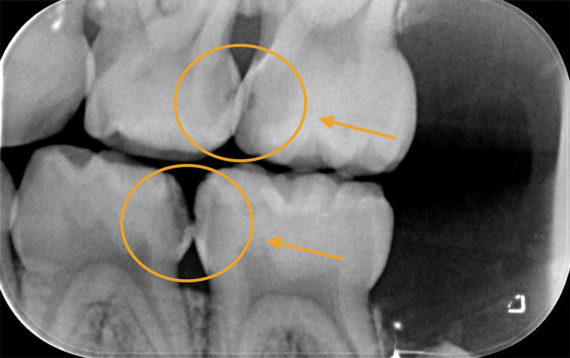
From tooth sensitivity to constant pain
Early decay in the enamel causes no symptoms. Once decay reaches the dentine, the tooth may become sensitive, mainly to cold. This is usually the first warning sign the patient notices!
The deeper the decay goes into the dentine and the closer it gets to the nerve, the more likely it is to cause marked sensitivity, still mostly to cold but sometimes to sugar, and even to become painful.
Decay can take several years to develop and can go through periods where it stabilises or slows down, especially if the patient improves their oral hygiene and eating habits, has regular scale and polish appointments, and so on. Because it often progresses slowly, decay can go completely unnoticed and cause no symptoms for a long time, without the patient ever suspecting that a cavity is forming.
In the same way, decay can progress very quickly in a patient at high risk of decay.

Generally speaking, though, the deeper decay progresses towards the nerve of the tooth, the stronger the sensitivity becomes, until it turns into pain. At first this pain is mainly triggered by cold, but it can spread to heat and even become almost constant once the nerve is affected. When the nerve tissue has died, the symptoms may ease, then come back as pain when pressing on the tooth, and therefore when chewing, sometimes with shooting or radiating pain and even swelling of the soft tissues (an abscess).
A cavity that has not reached the nerve, even a deep one, is called reversible pulpitis: it can be treated with a filling while keeping the tooth alive. By contrast, the diagnosis is irreversible pulpitis when the decay has reached the nerve, and the tooth then needs root canal treatment in addition to treating the decay. It is the removal of the infected blood vessels and nerve tissue from the tooth that relieves the symptoms.
Be careful, though: tooth sensitivity does not necessarily mean decay!
Brushing too hard, which causes the gums to recede, or tooth wear from grinding (bruxism) can also cause abnormal sensitivity, usually of the same kind as with decay. These causes are therefore part of the differential diagnosis.
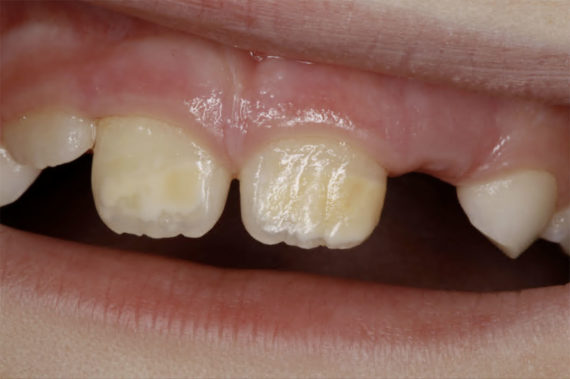
A visible stain on the tooth: is it decay?
A stain that does not brush off is a common reason for patients to come in fearing decay. Yet teeth are very rarely a uniform white: they vary in shade and often pick up stains that resist brushing (tobacco, red wine, curry…). So a stain does not necessarily mean decay. Teeth can also be discoloured for reasons that have nothing to do with decay: fluorosis, enamel hypoplasia…
How a cavity develops
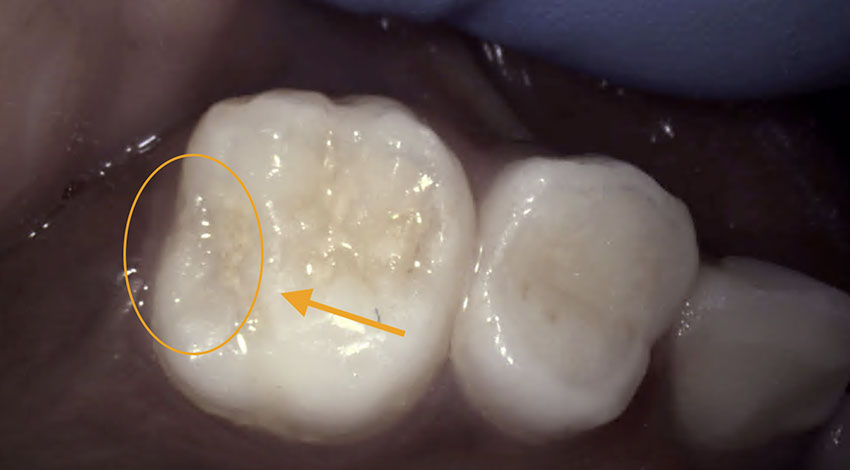
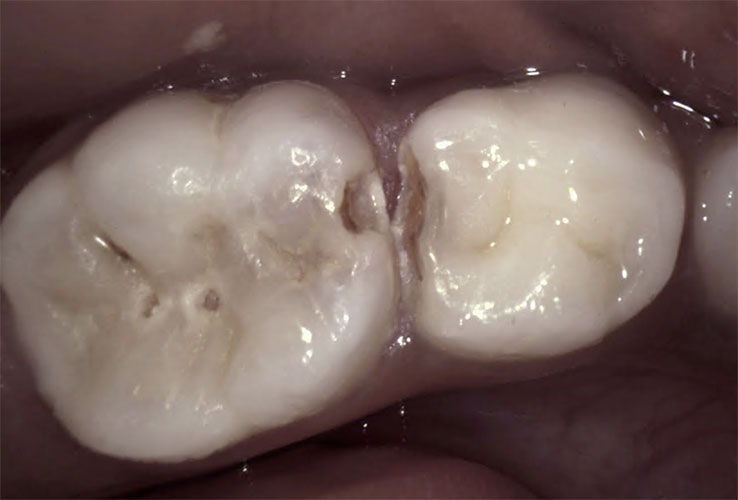
Decay can sometimes be visible, though, and it develops like this: a small white spot or patch appears at the earliest stage, then turns darker as the damage to the tooth progresses. The more brown and soft it looks, the more aggressive the decay and the sooner it needs treating. A dry, black appearance points more to decay that is progressing slowly.
Either way, your dentist will be able to diagnose the stain and explain it to you.
Other clinical signs of tooth decay
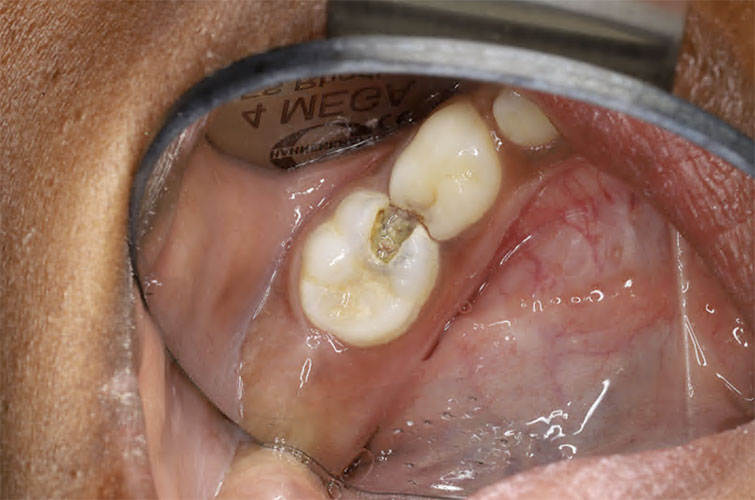
Tooth decay can sometimes also show up as bleeding gums, caused by irritation from the plaque covering the cavity, or sometimes by food getting packed between the teeth.
Bad breath or a persistent bad taste in the mouth can also be a result of tooth decay, because of the bacteria that cause it.
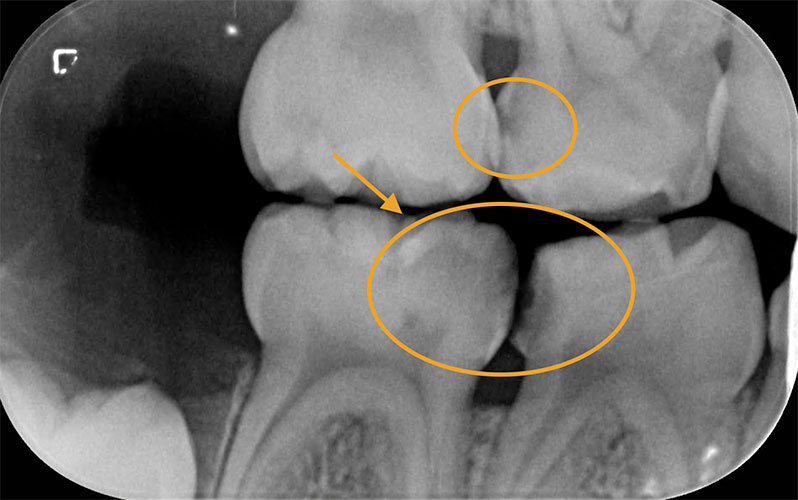
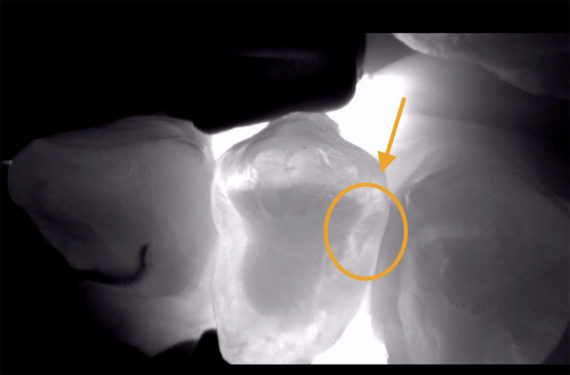
How is tooth decay diagnosed?
Diagnosing tooth decay yourself at home is impossible, or comes too late, sometimes even too late to save the tooth!
That is why regular check-ups with your dentist matter, along with a regular scale and polish with your hygienist, to keep your mouth as healthy as possible and prevent decay.
Decay is diagnosed by combining the clinical examination with bitewing X-rays, which are still the examination of choice for detecting tooth decay today. How often X-rays are needed varies from patient to patient, but it is usually between once a year and once every two to three years.
New technologies that detect decay by transillumination, without X-rays (Diagnocam), are emerging and allow an even earlier diagnosis, at the initial stage. This technology is currently used for patients whose teeth have very few fillings, or alongside traditional X-rays.
Care for this problem
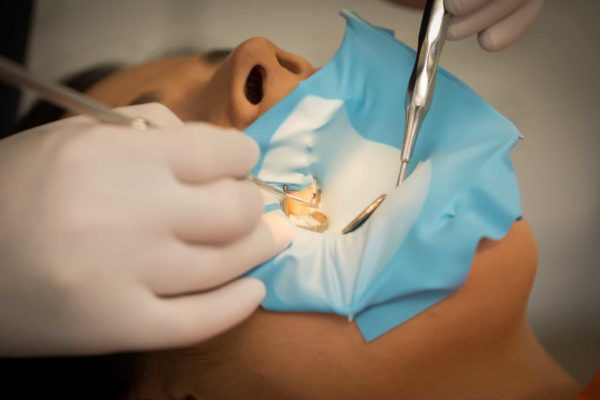
Caries treatment