Swollen cheek
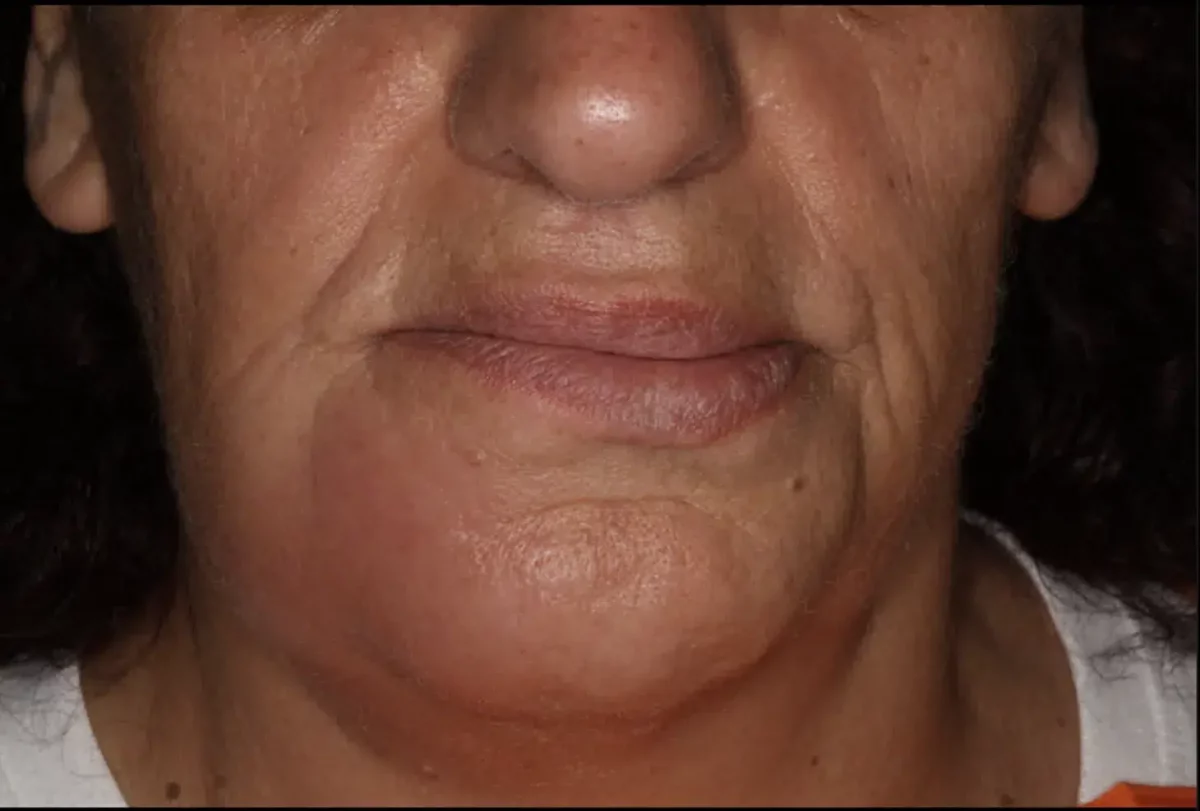
A swollen cheek is worrying, especially when it appears suddenly or comes with pain. In most cases the cause is oral or dental. It calls for a prompt appointment, even when there are no warning signs.
What causes a swollen cheek?
A swollen cheek is almost always the visible sign of a problem located deeper, in the tooth, the gum or the neighbouring tissues. None of these causes heals on its own: they all call for treatment of the underlying cause.
Dental infection and abscess
An untreated cavity can reach the nerve of the tooth and cause an abscess. The infection then spreads into the soft tissues and the cheek swells. An old cavity treated with a root canal that was incomplete or of insufficient quality can have the same effect.
A gum problem
A gingival or periodontal abscess swells the gum first, then the cheek.
A wisdom tooth coming through
When a wisdom tooth has not fully come through, the gum covering it becomes inflamed and the swelling reaches the cheek.
A knock or a bite
A direct injury, a blow or a bite to the cheek is enough to make it swell.
Infection of the salivary glands
Rarer, it has no dental origin but gives the same sign.
When is a swollen cheek normal?
After oral surgery, swelling is an expected reaction of the body to the procedure. This is the case after an extraction, especially of wisdom teeth, or after placing an implant with a bone graft. It generally stays moderate, peaks between 48 and 72 hours, then gradually subsides. The practitioner always warns you beforehand of any procedure that may cause such swelling, and the centre’s team remains reachable should you need them.
A swollen cheek with no pain: is that worrying?
The absence of pain does not mean that all is well. Apart from the aftermath of a procedure, none of the causes described above resolves on its own: swelling can stay painless for a while, then get worse. The rule holds in both cases: monitor it, and see a dentist.
Swollen cheek: the signs that call for a same-day appointment
Some signs must be taken seriously and cannot wait:
- intense pain;
- difficulty opening the mouth or swallowing;
- fever;
- a decline in your general condition, marked fatigue;
- swelling that spreads towards the eye or the neck.
How do you bring down a swollen cheek?
While you wait for your appointment, a few simple measures limit the discomfort. Applying cold, with an ice pack wrapped in a cloth, reduces the swelling, particularly after surgery. A common painkiller relieves the pain, without exceeding the recommended doses.
Two things to avoid absolutely: applying heat to the cheek, which makes the inflammation worse, and taking antibiotics without a prescription.
Treating a swollen cheek according to its cause
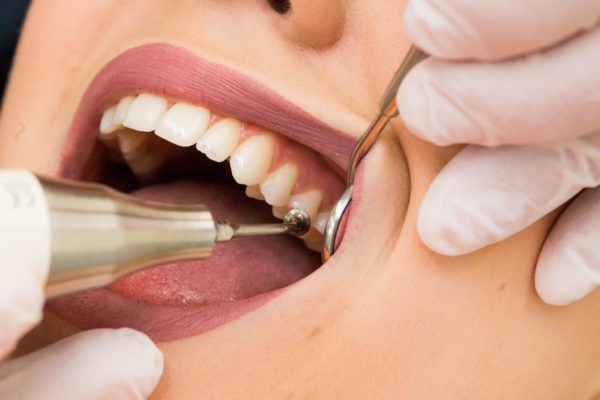
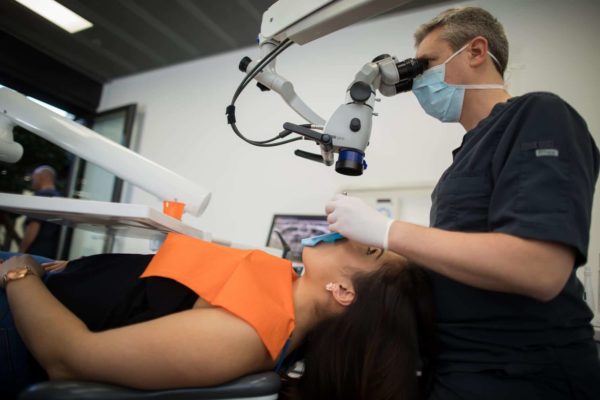
In the case of a dental infection, the dentist drains the abscess, begins a root canal or, if the tooth cannot be saved, extracts it. Antibiotics may be prescribed in addition, or beforehand depending on the situation. If the problem comes from the gums, a thorough cleaning and specific care are proposed.
Prevention remains the best lever: regular brushing and regular check-ups with the dentist and the hygienist clearly reduce the risk.
Frequently asked questions
Apart from the aftermath of surgery, no. The causes of a swollen cheek do not heal on their own and call for treatment.
Care for this problem

Dental emergencies
Gum treatment
Root treatment
Practitioners who can help with this problem