Antibiotics and toothache: is self-medicating a good idea?
An antibiotic does not relieve every kind of dental pain. It is only effective against certain bacterial infections, and must be prescribed following an accurate medical or dental diagnosis.
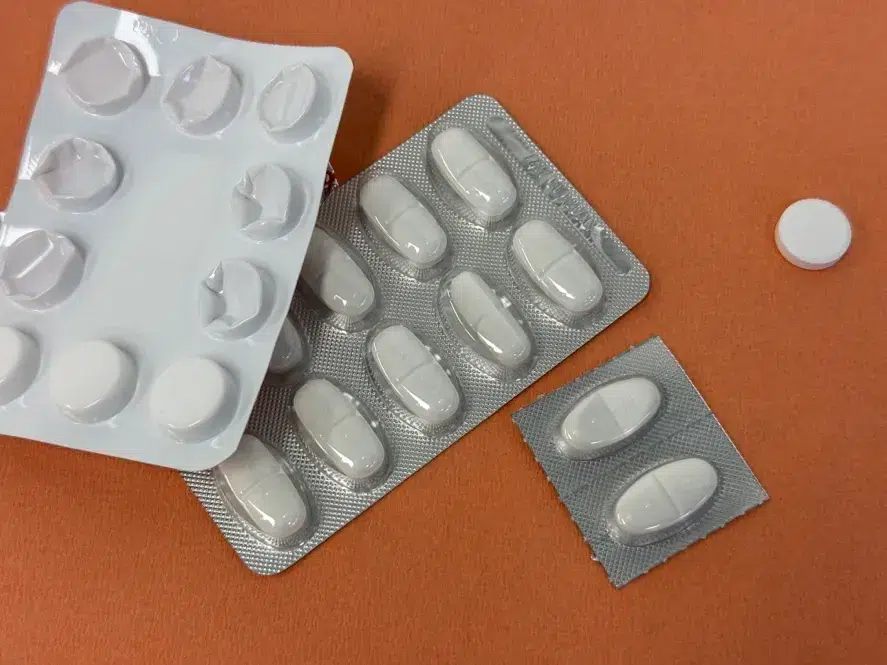

What is an antibiotic?
An antibiotic is a medicine designed to fight infections caused by bacteria. It works either by killing bacteria or by preventing them from multiplying. Antibiotics are prescribed to treat all kinds of bacterial infections, including dental, urinary, respiratory and digestive infections.
Can an antibiotic relieve any kind of pain?
The answer is no. As the well-known slogan reminds us: “Antibiotics are not automatic!”
An antibiotic is ineffective against:
- viral infections (flu, colds, viral gastroenteritis, etc.);
- pain caused by inflammation without any bacteria present;
- neuralgia (nerve pain);
- muscle or joint pain;
- most dental pain with no sign of bacterial infection.
Taking an antibiotic without knowing the exact cause of the pain is therefore not only useless, but also contributes to the overuse of antibiotics.
Which types of dental pain do not necessarily require an antibiotic?
Many types of dental pain call first and foremost for the dentist to treat the underlying cause, rather than for antibiotics.
Pulpitis
Inflammation of the tooth’s nerve. It is caused by deep decay, dental trauma, a cracked or fractured tooth, or certain periodontal conditions. The pain may well be very intense, but an antibiotic is generally not indicated. Treatment consists first and foremost of treating the affected tooth.
Gingivitis
Inflammation of the gums, mainly caused by the build-up of dental plaque. Only professional scaling, together with better oral hygiene, will relieve the pain, with no need for antibiotics.
Periodontal disease
It affects the tissues that support the teeth, causing tooth mobility, inflammation and pain of varying intensity, which may progress to infection. Treatment first targets the underlying cause, and antibiotics are only indicated in certain specific situations.
Bruxism
Teeth grinding. The muscle tension behind grinding or clenching often leads, over time, to muscle pain, headaches and sometimes even tooth sensitivity.
This pain is not caused by a bacterial infection and therefore does not require antibiotics. Once again, only treating the underlying cause will resolve the symptoms.
Why avoid self-medicating with antibiotics?
Seeing a dentist or a doctor before taking an antibiotic is essential, for three reasons.
Preventing antibiotic resistance
Inappropriate use of antibiotics encourages the emergence of resistant bacteria. These bacteria then become harder to treat, which is now a serious public health problem.
Avoiding side effects
Antibiotics can cause:
- digestive problems;
- diarrhoea;
- allergic reactions;
- interactions with other medicines.
Taking an antibiotic unnecessarily therefore exposes you to risks with no real benefit.
Treating the real cause of the pain
If the pain is not caused by a bacterial infection, an antibiotic will not solve the problem. Only a diagnosis can identify the real cause and lead to the right treatment.
In short: before taking any antibiotic, it is essential to obtain an accurate diagnosis in order to receive the most effective and safest treatment.
Care for this problem
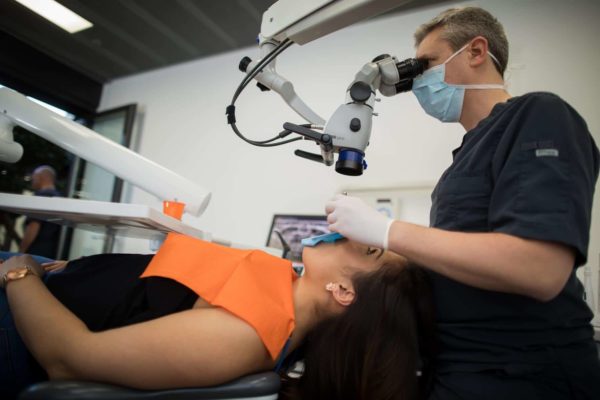
Root treatment
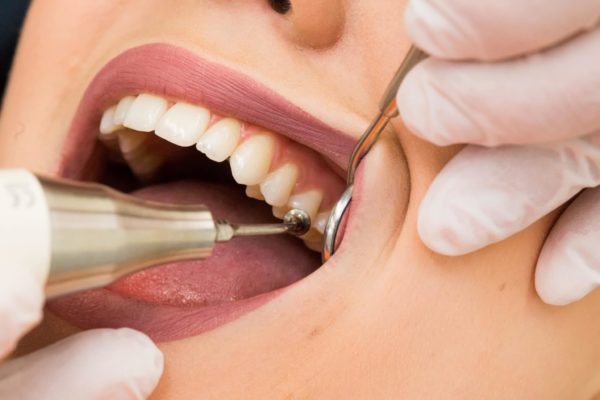
Gum treatment

Hygiene and prevention
Practitioners who can help with this problem

Dr Fabien Hauser